


Passive Fire Inspections: What Building and Facility Managers Need to Know
Routine inspection and servicing play an important role in ensuring passive fire protection systems continue to perform as intended throughout the life of a building.
For Building and Facility Managers, this means more than simply identifying defects. It means understanding what passive fire systems are installed within the building, how they should be inspected and maintained, what happens when defects are identified, and how appropriate records are maintained to support ongoing compliance.
Routine inspections help identify defects, building changes and maintenance issues that could affect passive fire performance.
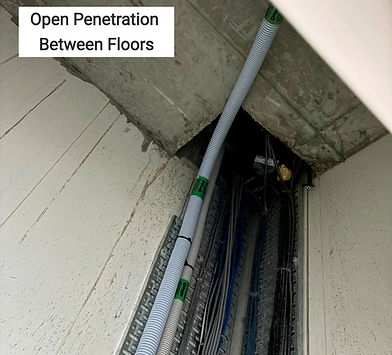
Passive fire systems can also be affected by everyday changes to a building. New cabling, mechanical services, fit-outs, refurbishments and other works can alter or penetrate fire-rated construction — sometimes without the Building or Facility Manager being aware that passive fire protection has been affected.
Understanding what to look for and having an effective inspection and defect management process can help identify these issues before they become larger compliance or safety concerns.
What is passive fire protection?
Passive fire protection is incorporated into the fabric of a building to help contain the spread of fire and smoke and protect paths of travel.
Unlike active fire protection systems, many passive fire measures have no moving or operating parts. This can make problems less obvious during normal building operations.


Depending on the building, passive fire protection may include fire doors and fire-resistant doorsets, fire and smoke walls, fire-rated ceilings and floors, service penetrations, fire and smoke dampers, fire stopping around pipes, cables, ducts and other services, fire-rated access panels, shafts and other compartmentation elements.

Why do passive fire systems need routine inspection?
A building is rarely static.
Tenants change, fit-outs take place, new technology is installed, and mechanical, electrical, plumbing and communications services are modified over time.
These works can affect existing passive fire protection.
For example, new cables or pipework may need to pass through a fire-rated wall or floor. The resulting penetration needs to be appropriately treated to maintain the required fire resistance of the building element.
Fire doors can also become damaged, components can deteriorate and previous repairs or alterations may no longer be suitable.
Routine inspection and servicing provide an opportunity to identify these issues and verify the ongoing condition of passive fire systems.


What does a passive fire inspection involve?
The scope of an inspection will depend on the building, the fire safety measures installed and the applicable inspection and maintenance requirements.
An inspection may include checking the condition and operation of passive fire measures, identifying defects or changes and documenting findings for further assessment or rectification.
This may include inspection of:
-
Fire doors, frames, hardware and closing mechanisms
-
Fire and smoke dampers
-
Fire-rated walls, floors and ceilings
-
Service penetrations and fire stopping
-
Fire-rated access panels
-
Other elements forming part of the building's fire compartmentation
The inspection should also provide Building and Facility Managers with clear information on the identified defects and any further action required.
What happens when a defect is identified?
Finding a passive fire defect doesn't necessarily mean major works will be required.
The important first step is to understand the nature of the defect, the fire safety measure affected and what action is required.
For Building and Facility Managers, a useful defect management process should make it easy to understand:
What is wrong → Where it is located → What action is required → When it has been rectified
This provides greater visibility over outstanding works and creates a clearer record of how defects have been managed.

_edited.jpg)

What records should Building and Facility Managers maintain?
Good record-keeping is an important part of managing passive fire protection.
Maintaining these records over time can also help Building and Facility Managers understand recurring issues and the history of passive fire systems within the building.
Records may include:
-
Inspection and service reports
-
Details and locations of identified defects
-
Photographs where appropriate
-
Recommendations for rectification
-
Records of completed remedial works
-
Relevant product or installation information
-
Documentation associated with alterations to passive fire systems
-
Information required to support ongoing fire safety compliance
Questions Building and Facility Managers should be asking
You don't need to be a passive fire specialist to manage the process effectively.
Fire Safety Measures
What passive fire measures are installed in our building?
Recification Works
How do we track outstanding rectification works?
Routine Inspection & Service
What routine inspection and servicing requirements apply?
Work Completed
Are completed works properly recorded?
Fire Safety Practitioners
Are inspections being completed by appropriately competent personnel?
Contractor Management
Are contractors considering passive fire requirements when they alter building services?
Defect Management
How are defects documented and prioritised?
Record Keeping
Do we have adequate records to demonstrate how our passive fire systems are being maintained?

How Beaver Williams can help
Beaver Williams provides passive fire inspection, maintenance and remedial services for commercial buildings across Sydney. Our Fire Services team works with Building and Facility Managers to identify passive fire defects, clearly document findings and undertake required rectification works.
As a combined Fire and HVAC service provider, we also understand the interaction between building services and passive fire protection — particularly where mechanical and other services interface with fire-rated building elements.
Do you know the condition of your building's passive fire systems?
If you're responsible for managing a commercial building and would like a clearer understanding of its passive fire inspection and maintenance requirements, talk to the Beaver Williams Fire Services team.